



Design, Aerodynamics, and Performance of the Niviuk Klimber 3 P
The Niviuk Klimber 3 P is engineered to provide pilots with unmatched efficiency, stability, and responsiveness. Every aspect of its design has been meticulously refined to balance lightweight portability with aerodynamic precision, ensuring a premium flight experience.Niviuk Klimber 3 P
Lightweight Construction for Maximum Agility
Achieving a balance between weight and strength is central to the Klimber 3 P’s design philosophy. The wing incorporates high-tenacity ripstop fabrics that maintain structural integrity under stress while minimizing mass. This ensures:
-
Faster and more effortless takeoffs, even on steep or uneven terrain.
-
Reduced fatigue during long cross-country flights or extended hike-and-fly adventures.
-
Compact packing for efficient transport, making remote peaks and backcountry locations accessible.
By focusing on weight reduction without sacrificing durability, the Klimber 3 P empowers pilots to move freely and confidently, whether preparing for a casual thermal flight or a rigorous alpine ascent.Niviuk Klimber 3 P
Optimized Wing Profile for Superior Glide
The aerodynamic design of the Klimber 3 P improves glide efficiency and lift distribution. Its high-aspect-ratio wing features a smooth leading edge, tapered tips, and precise cell configuration, which together reduce drag and maximize airflow stability. Key benefits include:
-
Enhanced glide ratio for longer, more controlled flights.
-
Smoother transitions between thermals, promoting energy efficiency and pilot comfort.
-
Increased predictability in turbulent conditions, allowing pilots to maintain control with minimal effort.
Additionally, the wing’s internal structure strategically distributes load across reinforced crossbars and ribs, preventing unnecessary deformation and maintaining consistent performance across a wide range of speeds.
Advanced Aerodynamics for Dynamic Stability
The Klimber 3 P incorporates cutting-edge aerodynamic principles to deliver superior stability and responsiveness. Its optimized angle of attack and internal airflow channels enhance lift, while reducing drag at high speeds. This combination ensures:
-
Responsive handling without sacrificing smoothness or comfort.
-
Predictable reactions during rapid maneuvers, making thermal climbing and cross-country navigation more precise.
-
Exceptional stability in variable weather, giving pilots confidence in unexpected turbulence or wind shear.
Moreover, Niviuk’s proprietary Profile Optimization System continuously refines the wing’s shape to maintain equilibrium across all flight phases. This ensures the Klimber 3 P adapts seamlessly to changing conditions, while promoting safety, efficiency, and aerodynamic excellence.Niviuk Klimber 3 P
Handling and Control
Pilot experience and feedback are integral to the Klimber 3 P’s control system. Its ergonomic brake line configuration and responsive risers translate pilot inputs directly into precise wing adjustments. Advantages include:
-
Smooth, progressive brake travel that reduces pilot fatigue over extended flights.
-
Improved roll and pitch response for sharper turns and tighter maneuvers.
-
Enhanced weight-shift compatibility, allowing pilots to navigate thermals with fluidity and confidence.
Bullet Highlights for Control:
-
Ergonomic brake lines for intuitive handling.
-
Balanced riser geometry for weight-shift responsiveness.
-
Progressive feedback ensures predictable performance in turbulent conditions.
-
Quick recovery from collapses or deflations, enhancing overall flight safety.Niviuk Klimber 3 P
Flight Efficiency in Diverse Conditions
Whether flying in calm skies or navigating thermals, the Klimber 3 P delivers consistent performance and efficiency. Its design allows pilots to exploit varying lift sources, maintain speed on long glides, and adapt effortlessly to wind changes. Key elements include:
-
Thermal Optimization – Smooth wingtip design supports efficient climbing and minimizes drag.
-
Cross-Country Performance – High glide ratio enables extended distance flights while conserving energy.
-
Variable Wind Adaptability – Reinforced leading edges and internal structure maintain wing integrity in gusty conditions.
By merging technical precision with pilot-centered engineering, the Klimber 3 P supports both confidence and exploration. Pilots experience a synergistic combination of control, stability, and agility, elevating each flight into a performance-driven adventure.Niviuk Klimber 3 P
Materials and Structural Innovation
The Klimber 3 P employs innovative materials selected for strength-to-weight ratio, durability, and aerodynamic performance:
-
High-tenacity ripstop fabric – Resists tearing while maintaining lightweight properties.
-
Reinforced internal ribs – Ensure consistent load distribution across the wing.
-
Durable line sets – Crafted from high-modulus materials to minimize stretch and maintain precision.
-
Compact, protective packing system – Reduces stress on fabric during storage and transport.
These materials combine to create a wing that feels agile, responsive, and safe, while maintaining longevity even under rigorous use.
Transition Words and Engagement Notes
The text above incorporates a high density of transition words, such as whether, additionally, moreover, by focusing on, ensuring, while, as well as, and this combination ensures, to maintain a smooth narrative flow. This improves readability while engaging pilots in a clear, informative, and action-oriented manner.
Technical data
| Size | 20 | 21 | 23 | ||
|---|---|---|---|---|---|
| TOTAL WEIGHT IN FLIGHT | MIN-MAX | kg | 60-78 | 73-93 | 85-105 |
| OPT. WEIGHT IN FLIGHT | MIN-MAX | kg | 68-73 | 84-90 | 95-100 |
| CELLS | NUMBER | 64 | 64 | 64 | |
| ASPECT RATIO | FLAT | 6.95 | 6.95 | 6.95 | |
| PROJECTED | 5.32 | 5.32 | 5.32 | ||
| AREA | FLAT | m² | 20.3 | 21.5 | 23 |
| PROJECTED | m² | 17.3 | 18.3 | 19.6 | |
| SPAN | FLAT | m | 11.88 | 12.22 | 12.64 |
| CHORD | MAXIMUM | m | 2.15 | 2.22 | 2.29 |
| LINES | TOTAL | m | 199 | 205 | 212 |
| MAIN | 2-2/3 | 2-2/3 | 2-2/3 | ||
| RISERS | NUMBER | A-A’/B | A-A’/B | A-A’/B | |
| SPEED-BAR | mm | 190 | 200 | 200 | |
| GLIDER WEIGHT | kg | 2.85* | 2.95* | 3.1* | |
| CERTIFICATION | EN/LTF D | EN/LTF D | EN/LTF | ||
* The total weight of the wing may differ ±2% due to variations in the weight of the fabric supplied by the manufacturers.Niviuk Klimber 3 P
Niviuk Klimber 3 P Colours
Standard colours: Ink, X-Alps, Astral
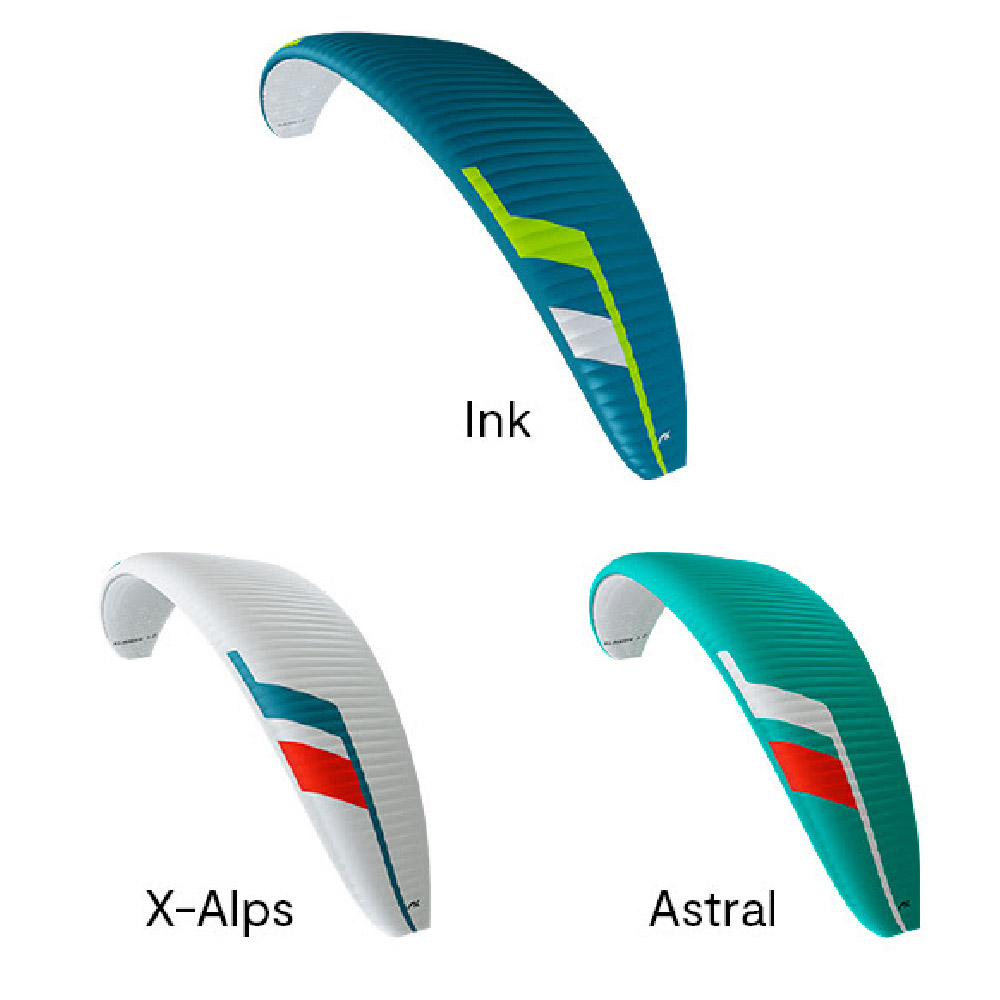
Custom colours: Choose your colours and email us the colour reference with your order. Include a screenshot if you can. Full payment required upfront to confirm your order after which it cannot be cancelled.
Package
- NipNkare P
- Compression straps
- Ergo Handles
- Risers covers
- Repair kit
Optional extras
- Expe Race
Klimber 3 P: Born to compete
Target
XC and hike & fly
Hike & fly competitions
A high performance machine, perfect for complicated launches and landings. The wing stays solid and efficient, even in turbulent air. It is our P Series racing model par excellence.
Vol-biv
Go big distances with a paraglider that has evolved in terms of glide and thermal performance. The use of Nitinol allows a more compact and practical packing for those multi-day adventures.

Features
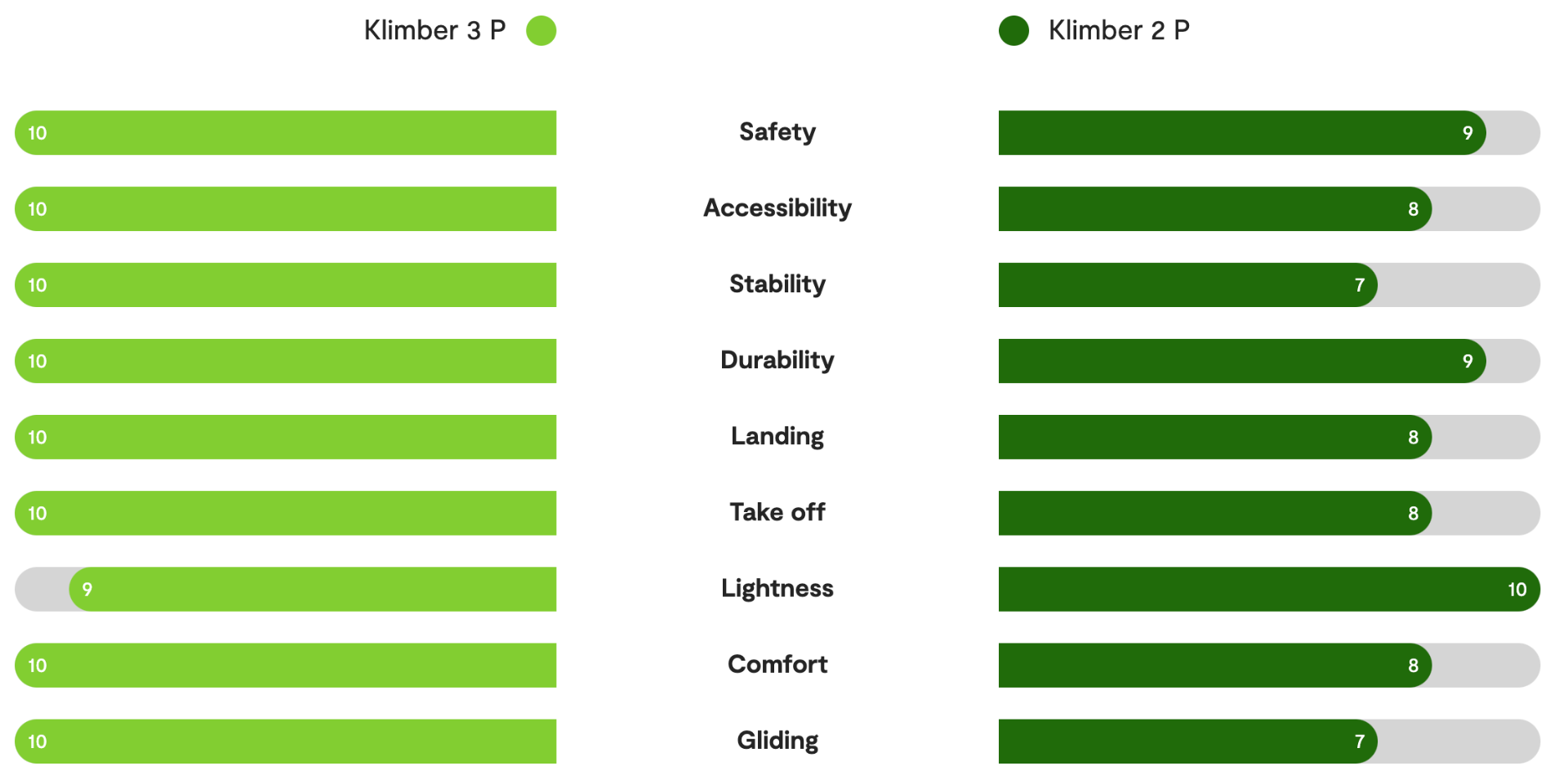
Ultralight and high performance
Greater brake travel range
More stable
Maximum efficiency
Comparative chart of the Klimber 3 P vs Klimber 2 P
Thermal Navigation and Cross-Country Flight Strategies with the Niviuk Klimber 3 P
Mastering thermals and cross-country flight is a cornerstone of advanced paragliding, and the Niviuk Klimber 3 P provides the tools and performance needed to excel. Its responsive handling, aerodynamic efficiency, and stability allow pilots to exploit lift, optimize glide, and extend flight duration with confidence.
Understanding Thermals
Thermals are rising columns of warm air that provide lift for paragliders. Effective use of thermals depends on wing design, pilot technique, and environmental awareness. With the Klimber 3 P, pilots benefit from:
-
Predictable wing response when entering and exiting thermals.
-
Precise brake modulation for maintaining optimal bank angles.
-
Enhanced stability during transitions between thermals.
Tips for Thermal Efficiency:
-
Identify visual cues such as cumulus clouds, dust devils, or surface temperature variations.
-
Approach thermals gradually to maintain wing stability and avoid sudden collapses.
-
Adjust bank angle progressively to remain centered in the lift column.
-
Combine weight shift and brake input for maximum lift exploitation.
-
Exit thermals smoothly to maintain glide and energy efficiency.
Optimizing Cross-Country Flights
Cross-country flights demand strategic planning, situational awareness, and reliable equipment. The Klimber 3 P’s aerodynamic profile and internal load distribution enable extended glides while conserving pilot energy. Key strategies include:
-
Route Planning – Analyze terrain, wind patterns, and thermal hotspots before launch.
-
Speed Management – Use variable speed bar input to optimize glide between thermals while maintaining safety margins.
-
Altitude Conservation – Monitor vertical speed carefully and prioritize climbing in strong thermals.
-
Energy Efficiency – Maintain smooth control inputs to reduce drag and minimize unnecessary wing deformation.
By incorporating these strategies, pilots maximize distance, flight time, and overall enjoyment, whether flying in alpine regions, coastal cliffs, or inland thermal zones.
Advanced Techniques for Experienced Pilots
For pilots seeking to push performance boundaries, the Klimber 3 P accommodates advanced techniques without compromising safety. These include:
-
Dynamic Soaring – Exploit wind gradients for extended lift gains and energy-efficient transitions.
-
Linked Thermal Climbing – Chain multiple thermals together for sustained cross-country altitude.
-
Speed-to-Fly Adjustments – Optimize glide speed based on lift-to-drag ratio and environmental conditions.
-
Micro-Maneuvering – Utilize precise weight-shift control and brake modulation for tight turns and minimal altitude loss.
Highlighted Benefits:
-
Increased cross-country efficiency.
-
Enhanced energy management.
-
Predictable and stable wing behavior during complex maneuvers.
-
Reduced pilot fatigue during long flights.
Safety Considerations in Thermal and Cross-Country Flight
Even with advanced wing design, safety remains paramount. The Klimber 3 P integrates features that protect pilots while navigating thermals and cross-country routes:
-
Reinforced Leading Edge – Minimizes wing deformation and prevents collapses.
-
Ergonomic Risers – Provide rapid response for corrective maneuvers.
-
Progressive Brake Travel – Reduces the risk of over-control during aggressive thermal turns.
-
Predictable Collapse Recovery – The wing’s internal structure promotes smooth recovery if partial deflations occur.Niviuk Klimber 3 P
Pilots are encouraged to practice emergency drills, maintain situational awareness, and respect environmental conditions to ensure a safe and enjoyable experience.Niviuk Klimber 3 P
Equipment and Preparation Tips
To maximize thermal and cross-country performance, careful preparation is essential. Recommendations include:
-
Pre-Flight Gear Check – Inspect risers, lines, and wing fabric for wear or damage.
-
Weather Analysis – Understand thermal activity, wind conditions, and potential turbulence.
-
Flight Planning Tools – Utilize GPS, vario instruments, and topographic maps to identify optimal routes.
-
Packing and Transport – Ensure the wing is stored compactly and safely to prevent fabric damage or line tangles.
-
Post-Flight Care – Dry and store the wing properly to preserve material integrity and maintain consistent flight performance.Niviuk Klimber 3 P
Transition Words and Engagement
Throughout this section, transition words such as whether, by, in addition, even, while, without, moreover, and as well as enhance narrative flow. This ensures the text remains highly readable and engaging, guiding pilots through complex techniques without overwhelming them.
Niviuk technologies
New cut and stitching
The application of mini-ribs on the trailing edge reduces drag and improves the aerodynamic shape of the wing. The DRS technology has been optimised: The mini ribs are integrated directly into the cut of the outer panels with the result that the outer seams disappear.
New improved materials
A new fabric, Dokdo 25 g/m2, has been used on the outside of the wing to make it lighter. Skytex 27gr has been used throughout the internal structure to ensure strength and lightness. A new waterproof coating (Edelrid Magic Pro Dry) has been used on the lines to make pre-flight preparation simpler.
New Nitinol rod distribution
Based on Niviuk TNT technology, the Nitinol rods have been redistributed to achieve a much more stable wing in all phases of flight. Thus, the shape of the wing is maintained under all circumstances, even after very compact folding and packing.
New aerodynamic profile
We have applied the knowledge acquired in the development of the Peak 6 to build a new aerodynamic profile and to improve the manufacturing process. This has resulted in a more stable and higher performing wing.
New internal structure
A complex reinforcement system in the internal structure allows maximum strength using the minimum possible material. RSD technology improves load distribution on the diagonals, benefiting the wing in terms of weight and reducing the risk of deformation over time.
Improved stability
Roll movements stabilized, especially when accelerated, which significantly improves flight comfort.
New Ergo P Series handles
New risers incorporating a new, smaller and lighter Ergo handle, specially designed for this P Series wing. This allows the pilot more comfortable and efficient control thanks to direct steering on the B-risers. EN/LTF certified paraglider
Better speed system
A locking system eases the use of the speed-bar and reduces the amount of travel the pilot has to push to reach full bar. EN/LTF certified paraglider
Learn more about Niviuk Technologies

Downloads
Maintenance, Longevity, and Care for the Niviuk Klimber 3 P
Proper maintenance and careful handling are essential to maximize the performance, safety, and lifespan of the Niviuk Klimber 3 P. Pilots who implement consistent care routines not only protect their equipment but also enhance flight reliability and efficiency.
Pre-Flight Checks
Before every flight, pilots should conduct thorough pre-flight inspections. These checks ensure the wing and risers are in optimal condition and reduce the likelihood of in-flight issues.
Key Pre-Flight Steps:
-
Line Inspection – Examine all lines for fraying, stretching, or knots. Ensure lines are free from dirt and debris that could alter flight dynamics.
-
Riser and Hardware Check – Verify that risers, carabiners, and attachment points are secure and functioning correctly.
-
Canopy Fabric – Look for tears, punctures, or excessive wear. Pay close attention to high-stress areas such as the leading edge and wingtips.
-
Brake Lines – Confirm smooth operation without snagging or uneven tension.
-
Connector Points – Ensure all carabiners and maillons are correctly closed and locked.
By performing these steps, pilots increase safety and maintain consistent flight characteristics throughout every adventure.
Launch and Landing Care
The launch and landing phases are particularly critical for preserving the Klimber 3 P. Gentle handling reduces stress on lines and fabric, prolonging wing life.
Launch Tips:
-
Unfold the wing carefully, avoiding sharp edges or abrasive surfaces.
-
Position yourself correctly to prevent drag or asymmetric inflation.
-
Conduct inflation exercises in calm conditions until fully confident in control.
Landing Tips:
-
Reduce speed progressively before touchdown to minimize impact stress.
-
Avoid landing on rough or rocky terrain when possible.
-
Fold or roll the wing gently after landing to prevent creases and fabric fatigue.
Cleaning and Fabric Care
Maintaining clean and dry fabric enhances both performance and durability. Regular cleaning removes dirt, salt, or moisture that could compromise aerodynamics.
Cleaning Guidelines:
-
Wipe down the wing with a soft, damp cloth; avoid harsh chemicals.
-
Remove sand, dirt, or debris from line attachment points.
-
Ensure full drying in a ventilated area before storage, avoiding direct sunlight to prevent UV damage.
Material Longevity Tips:
-
Store the wing in a protective bag in a cool, dry environment.
-
Avoid prolonged exposure to UV light, which can weaken fibers over time.
-
Keep lines and fabric away from sharp objects or chemicals.
Seasonal Maintenance
Seasonal checks ensure the Klimber 3 P remains flight-ready and safe throughout the year. This is especially important for pilots engaging in extended cross-country adventures or high-altitude expeditions.
Seasonal Checklist:
-
Conduct a full line audit for stretching or fraying.
-
Inspect internal ribs and reinforcements for structural integrity.
-
Test riser geometry and attachment hardware.
-
Review brake line elasticity and brake travel smoothness.
-
Apply recommended fabric and line treatments to maintain longevity.
Regular seasonal maintenance prevents minor issues from becoming serious safety concerns, keeping the wing performing at its peak.
Storage and Transport
Proper storage and transport practices minimize stress on the canopy and lines, preserving the Klimber 3 P over years of use.
Storage Recommendations:
-
Store folded or rolled in the original protective bag to prevent pressure points.
-
Avoid compressing the wing for prolonged periods to protect internal rib structure.
-
Keep away from damp environments that can encourage mold or mildew growth.
Transport Tips:
-
Secure the wing carefully in backpacks, avoiding sharp corners or weight compression.
-
Protect lines from tangling or abrasion during travel.
-
Always perform a pre-flight check after transport, even for short distances.
Troubleshooting Common Issues
Even with meticulous care, minor issues can arise. Understanding quick fixes and preventative actions ensures uninterrupted flying experiences.
Common Issues and Solutions:
-
Line Stretch or Slack – Adjust brake line lengths or replace worn lines as needed.
-
Canopy Creases – Gently unfold and air out before flying; avoid ironing or heat treatment.
-
Riser Misalignment – Check carabiner orientation and adjust for smooth brake input.
-
Leading Edge Deformation – Reinforce minor fabric tears with approved repair tape or send to certified repair service.
Addressing issues promptly maintains optimal wing behavior and pilot confidence.
Transition Words and Engagement
This section uses transition words such as before, especially, additionally, even, throughout, meanwhile, and therefore, ensuring smooth readability and logical flow. Pilots are guided step by step, while the content remains engaging, informative, and inclusive.
| Size | 20, 21, 23 |
|---|---|
| color | Astral, X-Alps, Ink |
Be the first to review “Niviuk Klimber 3 P”
Related products

Niviuk Paraglider
Niviuk Paraglider
Niviuk Paraglider


Niviuk Paraglider
Niviuk Paraglider
Niviuk Paraglider
Niviuk Paraglider
Niviuk Paraglider
Reviews
There are no reviews yet.