



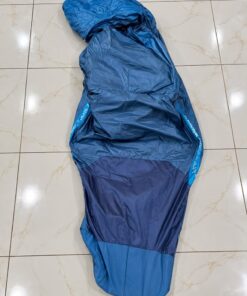
Skywalk Range X-Alps3 AV


£1,000.00
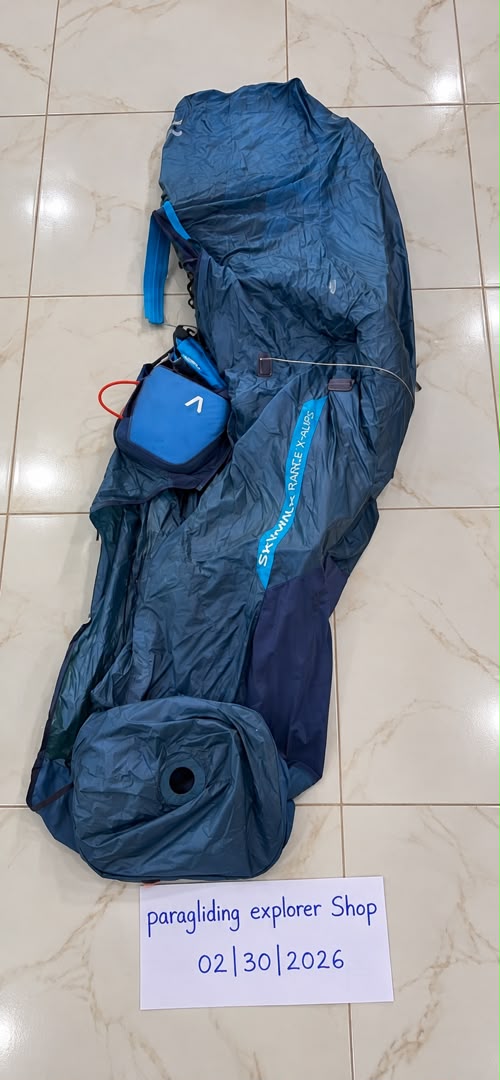
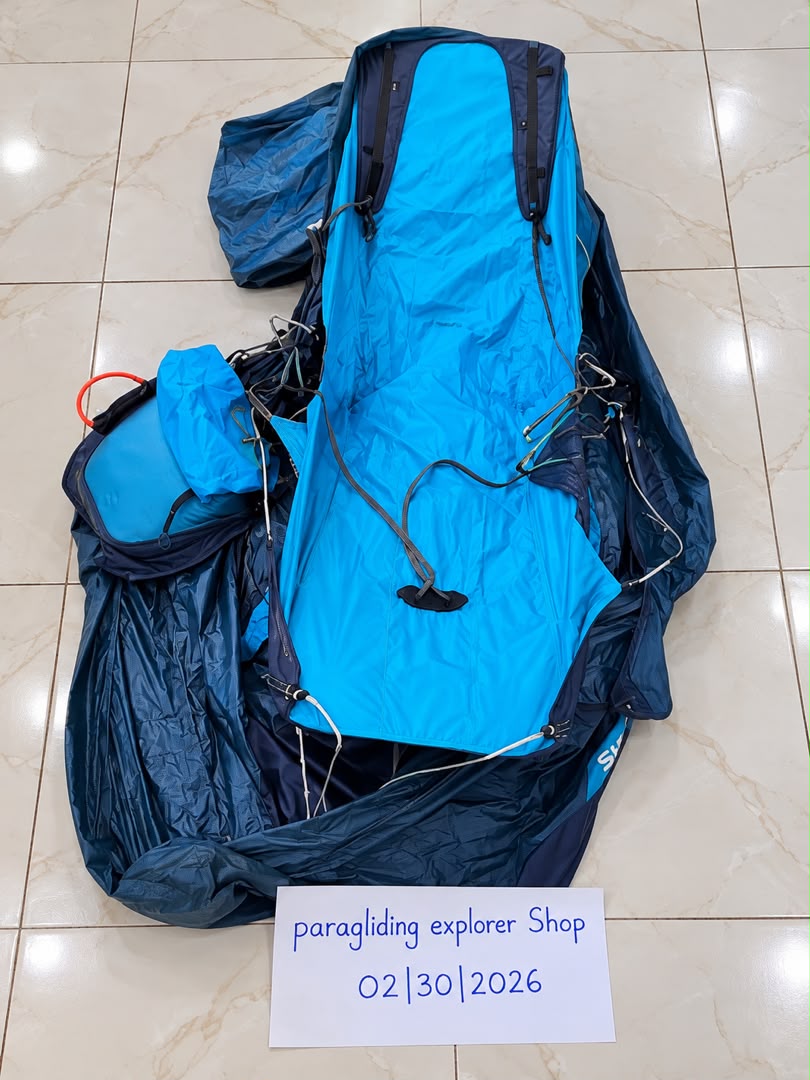
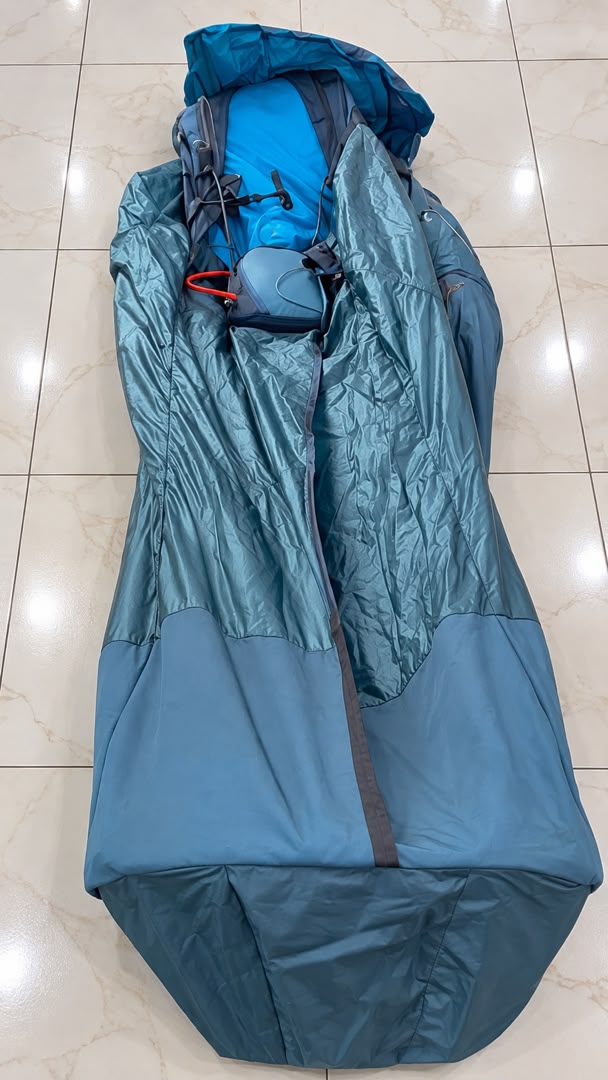
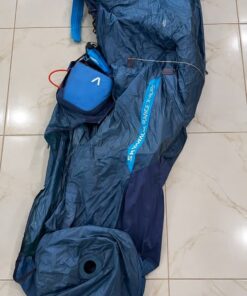
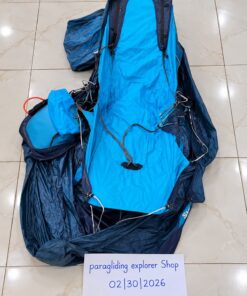
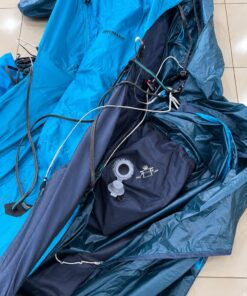
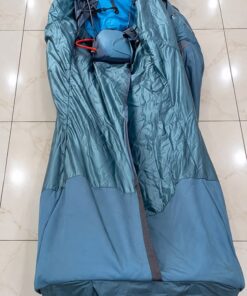
The Skywalk RANGE X-ALPS3 AV is offered in excellent condition and has been professionally inspected to confirm its overall condition, quality, and readiness for use. It has been carefully checked and is presented with no tears, no punctures, no visible damage, and no previous repair work. The harness has been well maintained and is ready to be used again for suitable flights and future adventures.
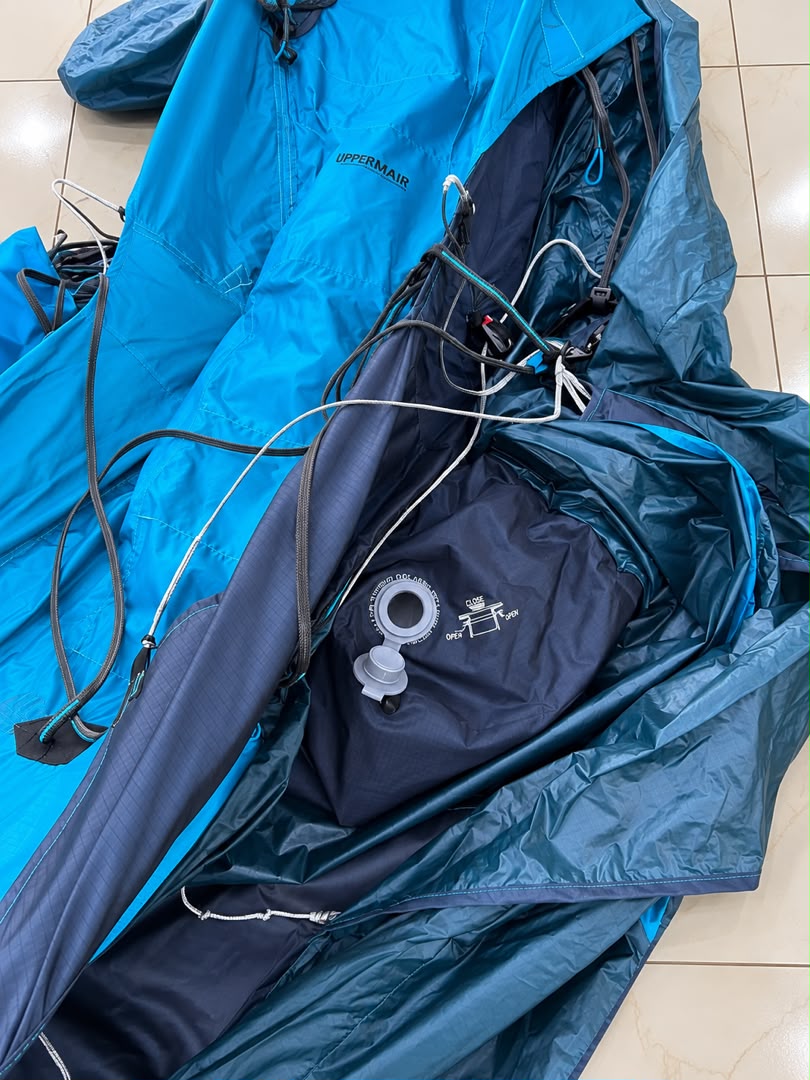
Every major component has been inspected, including the main harness structure, aerodynamic pod, PERMAIR protector, carbon foot plate, Edelrid Aura carabiners, 2-stage carbon accelerator, cockpit pouch, rear storage compartment, under-seat storage, risers and connection points, webbing, buckles, stitching, shoulder straps, leg straps, cocoon, rescue handle, and reserve compartment.
Included components:
- Skywalk RANGE X-ALPS3 AV harness
- Aerodynamic cocoon/pod
- PERMAIR protector
- Carbon foot plate
- Edelrid Aura main carabiners
- 2-stage carbon accelerator
- Cockpit pouch
- Rear storage compartment
- Detachable under-seat storage
- Rescue handle and reserve compartment
- Nitinol support components
- Storage/transport accessories, where included
No tears, significant damage, or repair work have been identified during the stated inspection. The equipment is ready to be professionally checked before use and ready for suitable flights, XC adventures, Hike & Fly missions, and jumps again.
Skywalk RANGE X-ALPS3 AV
The Skywalk RANGE X-ALPS3 AV has been developed as an ultralight, high-performance pod harness for demanding Hike & Fly, XC, competition, and mountain flying. Pure race-oriented design has been incorporated into a compact harness that has been engineered around weight reduction, aerodynamic efficiency, protection, comfort, and practical functionality.
Originally developed from the demands of the Red Bull X-Alps environment, the Athlete Version has been created for pilots who require equipment in which every gram can be considered. Consequently, a highly refined harness can be provided without conventional harness bulk.
The RANGE X-ALPS3 AV is certified to EN 1651:2018 + A1:2020, while a maximum load of 100 kg is specified. Three sizes are offered, with pilot heights of approximately 160–176 cm for S, 173–184 cm for M, and 183–200 cm for L.
Athlete Version Race Design
A pure competition-oriented character has been given to the RANGE X-ALPS3 AV.
As the harness has been developed around the demands of elite Hike & Fly competition, unnecessary weight and bulk have been minimized. Consequently, greater efficiency can be achieved during long approaches, mountain launches, and extended XC flights.
The design is particularly suited to pilots who value lightweight equipment and are prepared to handle ultralight gear carefully.
Ultra-Lightweight Construction
A remarkably low weight has been achieved.
Depending on size, the harness is listed at approximately 1.32 kg in S, 1.37 kg in M, and 1.42 kg in L. The cockpit pouch is listed at approximately 28 g, while the detachable seat storage compartment is approximately 22 g.
Consequently, the overall equipment burden can be reduced significantly during Hike & Fly missions.
Key Product Highlights
- Skywalk RANGE X-ALPS3 Athlete Version
- Ultralight pod harness
- Designed for Hike & Fly
- Competition-oriented construction
- XC-focused performance
- EN 1651:2018 + A1:2020 certification
- Approximately 1.32–1.42 kg harness weight depending on size
- S, M, and L sizes
- 100 kg maximum load
- PERMAIR protector
- Carbon foot plate
- 2-stage carbon accelerator
- Edelrid Aura main carabiners
- Cockpit pouch
- Detachable seat storage compartment
- Inner bag
- PERMAIR mouthpiece
- Rescue handle
- Aerodynamic cocoon
- Power Frame construction
- 30-litre rear storage compartment
- Lightweight Dyneema components
- Nitinol support structure
- Designed for experienced pilots
PERMAIR Protection System
A PERMAIR protector has been incorporated into the RANGE X-ALPS3 AV.
As inflatable protection is used instead of a conventional bulky foam construction, a strong balance between protection and weight can be achieved. Consequently, valuable protection can be provided while the overall harness weight is kept extremely low.
The protector is designed to extend toward the back, providing coverage while maintaining the lightweight character required for demanding mountain missions.
Lightweight Protection
Protection has not been treated as an afterthought.
As the PERMAIR system is integrated into the harness, additional protection can be provided without requiring the weight associated with many conventional systems.
Consequently, pilots can benefit from a lightweight configuration while still receiving dedicated protector functionality.
Power Frame
A Power Frame has been incorporated into the harness structure.
As forces are distributed through the seat structure, support can be provided without unnecessary pressure points.
Consequently, a more comfortable connection between pilot and harness can be achieved during longer flights.
Carbon Foot Plate
A lightweight carbon sandwich foot plate has been used.
As carbon construction provides stiffness while maintaining low mass, effective support can be achieved without excessive weight.
Consequently, the pilot can maintain a stable foot position inside the cocoon during accelerated flight.
Aerodynamic Pod Design
The enclosed pod configuration has been designed to improve aerodynamic efficiency.
As the pilot’s legs are enclosed, exposed drag can be reduced compared with an open-seat configuration.
Consequently, improved aerodynamic performance can be supported during XC and competition flights.
Aerodynamic Rear Fairing
An aerodynamic rear fairing has been incorporated into the harness.
As incoming air is used to inflate the rear structure, a cleaner external profile can be maintained.
Furthermore, internal mini-ribs and profiles are used to help establish the intended aerodynamic shape.
Consequently, drag can be reduced and glide efficiency can be supported.
Dynamic Pressure Nose
A dynamic-pressure nose has been integrated into the design.
As incoming airflow is used to inflate the structure, aerodynamic drag can be reduced.
Additionally, light and soft equipment can be stored within the available compartment.
Consequently, useful storage and aerodynamic functionality can be combined within the same structure.
Cockpit Configuration
A cockpit pouch has been included with the Athlete Version.
As instruments can be positioned in front of the pilot, important flight information can be kept within the normal field of view.
Consequently, navigation and flight monitoring can be made more convenient during XC and competition flights.
Instrument Access
The cockpit has been designed around practical instrument use.
As essential flight instruments can be mounted within easy viewing distance, less unnecessary head movement can be required.
Consequently, attention can remain focused on the flight environment.
Storage Capacity
Useful storage has been incorporated despite the ultralight design.
A rear storage compartment of approximately 30 litres has been specified for the Athlete Version. Consequently, lightweight equipment such as a packed backpack and other essential items can be carried during Hike & Fly missions.
Rear Storage Compartment
The rear compartment has been designed with an asymmetrical zipper.
As the opening can be accessed conveniently, packing can be made easier.
Consequently, equipment can be organized efficiently before and after a flight.
Under-Seat Storage
A detachable storage compartment has also been incorporated beneath the seat shell.
As the compartment can be removed when weight reduction is prioritized, the harness can be configured according to the requirements of the mission.
Consequently, unnecessary weight can be eliminated when maximum minimalism is desired.
Lightweight Materials
Several technical materials have been used throughout the harness.
The outer construction has been produced using lightweight technical fabrics, while Dyneema webbing and structural components have been incorporated into key areas.
Consequently, low weight can be achieved while appropriate strength and structural support are maintained.
Nitinol Support
Nitinol wire has been incorporated into the structure.
As lightweight spring-like support is provided, the harness shape can be maintained while unnecessary structural weight is avoided.
Consequently, a compact and efficient construction can be achieved.
Edelrid Aura Carabiners
Edelrid Aura carabiners are specified for the Athlete Version.
As dedicated main carabiners are integrated into the harness system, the connection between pilot and risers can be established through the intended hardware.
Consequently, the harness can be used within its approved configuration.
2-Stage Carbon Accelerator
A 2-stage carbon accelerator is supplied.
As two stages can be utilized, progressive acceleration can be achieved according to the pilot’s requirements.
Consequently, efficient speed-system operation can be supported during performance-oriented flying.
Speed System Adjustment
The speed system can be adjusted to suit the pilot.
As the accelerator is configured according to individual leg length and preferred position, a more natural operating position can be achieved.
Consequently, speed-bar use can be made more comfortable during longer XC flights.
Cocoon Adjustment
The cocoon length can be adjusted.
As adjustment points are provided around the foot plate, the pod can be fitted more closely to the pilot’s leg position.
Consequently, aerodynamic efficiency and comfort can be improved through appropriate setup.
Back Tilt Adjustment
Back tilt can be adjusted incrementally.
As the pilot’s preferred seating angle can be established before flight, a more personalized flying position can be created.
Consequently, comfort can be improved during extended periods in the harness.
Shoulder Adjustment
The shoulder straps can be adjusted incrementally.
As the upper harness position can be adapted to the pilot, improved support can be achieved.
Consequently, the harness can be fitted more accurately to different body proportions.
Compact Hike & Fly Equipment
The RANGE X-ALPS3 AV has been optimized for pilots who move between ground and air frequently.
As the harness is extremely light and compact, carrying demands can be reduced during mountain approaches.
Consequently, long climbs can be made more manageable when the entire equipment system has been optimized for low weight.
Competition Applications
Competition use has been central to the Athlete Version.
As the design has been influenced by the demanding Red Bull X-Alps environment, weight, storage, aerodynamics, and practical usability have been emphasized.
Consequently, the harness can be particularly suitable for pilots involved in Hike & Fly racing and other performance-focused competitions.
Cross-Country Flying
XC pilots can benefit from the aerodynamic pod and storage configuration.
As drag can be reduced and a stable seated position can be maintained, efficient long-distance flight can be supported.
Consequently, the harness can be used effectively alongside suitable XC paragliders.
Long-Distance Flights
Long-duration flights require a harness that can remain comfortable over extended periods.
As the Power Frame distributes forces through the seat structure, pressure points can be reduced.
Consequently, pilot comfort can be maintained more effectively during longer flights.
Mountain Flying
Mountain flying can be supported through the lightweight construction.
As less equipment weight needs to be carried uphill, the harness can contribute to a more efficient Hike & Fly system.
Consequently, pilots can arrive at launch with less physical burden.
Hike & Fly Missions
The RANGE X-ALPS3 AV has been particularly suited to Hike & Fly use.
As compact storage, ultralight construction, aerodynamic efficiency, and integrated functionality have been combined, the harness can serve both the hiking and flying portions of an adventure.
Consequently, equipment changes between hiking and flying can be minimized.
Launch Preparation
A careful setup should be completed before every flight.
As the harness incorporates a pod, speed system, protector, cockpit, storage areas, and multiple adjustment points, each component should be checked before launch.
Consequently, the intended configuration can be verified before takeoff.
Harness Connection
The harness should be connected to the paraglider using the approved connection system.
As the main carabiners provide the primary pilot-to-riser connection, their condition and locking mechanism should be checked carefully.
Consequently, connection integrity can be confirmed before every launch.
PERMAIR Inflation
The PERMAIR protector should be inflated according to the manufacturer’s procedure.
As the protector depends on correct inflation and valve operation, its condition should be confirmed before flight.
Consequently, the intended protection system can be made ready before takeoff.
Pre-Flight Inspection
A complete pre-flight inspection should be performed.
Particular attention should be given to:
- Main carabiners
- Harness webbing
- Stitching
- Shoulder straps
- Chest strap
- Leg straps
- Cocoon
- Foot plate
- Accelerator
- PERMAIR protector
- Inflation valve
- V-line
- Rescue handle
- Reserve container
- Connection points
Consequently, safety-critical problems can be identified before launch.
Reserve System
A dedicated reserve compartment has been incorporated into the harness.
As the reserve system is an essential part of the overall flying configuration, the reserve should be correctly installed, secured, and inspected according to the applicable manufacturer’s procedures.
Consequently, emergency equipment can remain accessible when required.
Rescue Handle
A dedicated rescue handle is supplied.
As the handle is positioned for access by the pilot, emergency deployment can be facilitated.
Consequently, the reserve system can remain readily available when properly installed and maintained.
V-Line
A lightweight Dyneema V-line has been incorporated.
As a dedicated connection is provided for the reserve system, the rescue configuration can be integrated into the harness.
Consequently, the reserve installation can be maintained within the intended harness architecture.
Harness Certification
The RANGE X-ALPS3 AV is certified according to EN 1651:2018 + A1:2020.
As certification requirements have been applied to the harness, its approved operating characteristics can be referenced through the manufacturer’s documentation.
Consequently, pilots can verify compatibility and operating requirements before use.
Maximum Load
A 100 kg maximum load has been specified for the Athlete Version.
As total flying load can affect the harness system, the manufacturer’s limit should be respected.
Consequently, pilot weight and equipment configuration should be checked before flight.
Available Sizes
Three sizes have been specified:
- Size S: approximately 160–176 cm pilot height
- Size M: approximately 173–184 cm pilot height
- Size L: approximately 183–200 cm pilot height
Consequently, an appropriate fit can be selected according to pilot dimensions.
Size S
The S configuration is intended for pilots approximately 160–176 cm tall.
As the harness is fitted correctly, appropriate support and cocoon positioning can be achieved.
Size M
The M configuration is intended for pilots approximately 173–184 cm tall.
As the central size has been designed around this height range, a balanced fit can be provided when correctly adjusted.
Size L
The L configuration is intended for pilots approximately 183–200 cm tall.
As additional length is accommodated, suitable support can be provided for taller pilots.
Harness Weight
The harness has been designed around an exceptionally low weight.
Approximate harness weights of 1.32 kg, 1.37 kg, and 1.42 kg are specified for S, M, and L respectively.
Consequently, the Athlete Version can be carried comfortably as part of a lightweight Hike & Fly system.
Comfort
Despite its race-oriented construction, comfort has not been neglected.
As the Power Frame distributes forces throughout the seat shell and the cocoon can be adjusted, a supportive flying position can be created.
Consequently, extended flights can be made more comfortable.
Flying Position
The seating position can be adjusted according to individual preference.
As back tilt, shoulder straps, and cocoon length can be configured, the pilot can establish a more personalized position.
Consequently, control and comfort can be balanced according to the intended flight.
Aerodynamic Efficiency
Aerodynamic efficiency has been strongly prioritized.
As the pilot’s legs are enclosed and the rear fairing is shaped through ram-air pressure, external drag can be reduced.
Consequently, glide performance can be supported during XC and competition flights.
Long Glide Sections
Long glide sections can benefit from reduced drag.
As the harness is maintained in an aerodynamic configuration, less airflow disturbance can be produced around the pilot.
Consequently, the performance potential of a suitable paraglider can be supported.
Performance-Oriented Flying
The RANGE X-ALPS3 AV has been created for pilots who place high value on performance.
As weight, aerodynamics, storage, protection, and adjustability have been optimized together, a highly specialized flying platform can be provided.
Consequently, experienced pilots can be equipped for demanding XC and Hike & Fly missions.
Care and Maintenance
Ultralight equipment should be handled carefully.
As lightweight fabrics and structures have been used to achieve the very low weight, unnecessary abrasion, dragging, impact, and rough ground handling should be avoided.
Consequently, the service life of the harness can be better preserved.
Cleaning
The harness should be kept clean using methods appropriate for the materials.
As aggressive chemicals can damage technical fabrics and components, manufacturer-approved cleaning procedures should be followed.
Consequently, unnecessary material deterioration can be minimized.
Drying
The harness should be dried completely before long-term storage.
As moisture can affect fabrics, webbing, and components, damp storage should be avoided.
Consequently, the equipment can be preserved more effectively.
UV Protection
Extended exposure to direct sunlight should be minimized.
As ultraviolet radiation can degrade technical fabrics and webbing over time, the harness should be stored away from unnecessary sunlight.
Consequently, material longevity can be supported.
Storage
The harness should be stored in a dry, cool, and protected environment.
As excessive heat, moisture, chemicals, and compression can affect lightweight materials, these conditions should be avoided.
Consequently, the harness can remain in better condition between flights.
Professional Inspection
A maintenance inspection is required after 24 months according to the manufacturer’s guide, and the inspection is to be performed by the manufacturer or its representative. Earlier or additional inspection is recommended when the harness has been subjected to above-average wear, extreme flight maneuvers, or other unusual loading.
Consequently, periodic professional assessment should be treated as an essential part of ownership.
Ideal Pilot Profile
The RANGE X-ALPS3 AV is best suited to experienced and advanced pilots who understand the demands of lightweight equipment.
As the harness has been optimized for performance rather than casual recreational use, appropriate flying experience should be possessed before it is operated.
Consequently, the benefits of the design can be used within an appropriate safety framework.
Ideal Applications
The harness can be considered for:
- Hike & Fly
- XC paragliding
- Competition flying
- Mountain flying
- Long-distance flights
- Performance-oriented flying
- Adventure flying
- Lightweight expedition systems
Why Choose the RANGE X-ALPS3 AV?
The Skywalk RANGE X-ALPS3 AV has been developed for pilots who want to minimize equipment weight without giving up the functionality required for serious flying.
A lightweight pod, PERMAIR protector, Power Frame, carbon foot plate, 2-stage accelerator, cockpit pouch, storage compartments, aerodynamic rear fairing, and competition-oriented geometry have been combined.
Consequently, a highly specialized harness can be provided for pilots who value efficiency both on the mountain and in the air.
Product Advantages at a Glance
- Ultra-lightweight construction
- Athlete Version race design
- Approximately 1.32–1.42 kg
- EN 1651:2018 + A1:2020 certified
- PERMAIR protection
- Power Frame
- Carbon foot plate
- 2-stage carbon accelerator
- Edelrid Aura carabiners
- Aerodynamic pod
- Ram-air rear fairing
- Dynamic-pressure nose
- Approximately 30-litre rear storage
- Detachable under-seat storage
- Cockpit pouch
- Three available sizes
- 100 kg maximum load
- Designed for Hike & Fly
- Designed for XC
- Competition-oriented
- Advanced-pilot focused
Final Product Overview
The Skywalk RANGE X-ALPS3 AV has been engineered at the intersection of ultralight construction, aerodynamic efficiency, pilot comfort, protection, and competition performance.
A weight of approximately 1.32–1.42 kg, depending on size, makes the harness particularly attractive for pilots who are required to carry their equipment over demanding terrain. Meanwhile, the PERMAIR protector, Power Frame, carbon foot plate, integrated accelerator, aerodynamic fairing, cockpit, and extensive storage provide functionality beyond simple weight reduction.
For experienced pilots seeking a high-performance Hike & Fly and XC pod harness, a highly refined solution can be provided by the RANGE X-ALPS3 AV.
Before every flight, the harness, carabiners, reserve system, PERMAIR protector, webbing, stitching, accelerator, cocoon, foot plate, and all connection points should be carefully inspected. Manufacturer instructions, certification requirements, maximum load limits, inspection intervals, and applicable flying regulations should always be followed.
Skywalk RANGE X-ALPS3 AV – Practical Use and Performance
Hike & Fly Performance
The Skywalk RANGE X-ALPS3 AV has been developed around the demanding combination of hiking and flying. Consequently, low weight has been treated as a central performance characteristic rather than simply a convenience.
As less equipment weight is carried during an ascent, energy can be conserved for the flight itself. Furthermore, the compact construction can be transported efficiently through steep terrain, technical trails, and long mountain approaches.
Mountain Approaches
Long mountain approaches can be made more manageable with an ultralight harness.
As the harness weighs approximately 1.32–1.42 kg depending on size, unnecessary load can be reduced from the overall flying system.
Consequently, greater attention can be given to route selection, weather development, hydration, and launch preparation.
Competition Use
Competition performance has been strongly considered within the Athlete Version.
As aerodynamic efficiency, low weight, storage, and integrated flight functions have been combined, the harness can be used effectively during demanding Hike & Fly competitions.
Consequently, time spent transitioning between hiking and flying can be reduced.
Red Bull X-Alps Style Missions
The design philosophy has been influenced by the extreme requirements associated with X-Alps-style missions.
As pilots may be required to hike for many hours before launching, every component of the equipment system becomes important.
Consequently, an ultralight harness can provide a meaningful advantage when the complete equipment load is being minimized.
Cross-Country Flying
XC performance can be supported by the aerodynamic pod configuration.
As the pilot’s legs are enclosed and the rear fairing is shaped aerodynamically, airflow disruption can be reduced.
Consequently, the efficiency of a suitable paraglider can be supported during long glide sections.
Long Glide Efficiency
Long glides can place greater importance on harness aerodynamics.
As the pilot remains enclosed within the cocoon, exposed body area can be reduced.
Consequently, aerodynamic drag can be minimized relative to a conventional open harness.
Accelerated Flight
The integrated speed system allows accelerated flight to be used when appropriate.
As the two-stage carbon accelerator is operated progressively, additional speed can be accessed.
Consequently, faster transitions between thermals and improved glide efficiency can be supported when conditions and pilot experience permit.
Speed-Bar Control
Precise accelerator control can be particularly valuable during XC flying.
As the foot plate provides a stable platform, pressure can be applied progressively.
Consequently, the pilot can maintain a more consistent body position during accelerated flight.
Two-Stage Acceleration
Two stages have been provided within the accelerator system.
As the first stage is engaged, moderate acceleration can be introduced. Further pressure can then be applied through the second stage when required.
Consequently, speed can be adjusted progressively rather than being treated as an all-or-nothing input.
Cocoon Entry
Efficient entry into the cocoon is important during the first moments after takeoff.
As the foot plate and pod are correctly positioned, the legs can be inserted progressively.
Consequently, the pilot can transition from upright launch posture to aerodynamic flight position without unnecessary movement.
Cocoon Exit
The pod should be exited before landing.
As the pilot prepares for final approach, the legs can be removed from the cocoon.
Consequently, an appropriate landing posture can be established before touchdown.
Foot Plate
The carbon foot plate provides structural support for the lower legs.
As a rigid platform is provided, the pilot can maintain a stable position while seated or accelerated.
Consequently, control through the speed system can be performed more efficiently.
Back Position
The back angle can be adjusted according to pilot preference.
As the seating position is refined, support can be improved for different flying styles.
Consequently, a more personalized position can be achieved for long XC flights or performance-oriented flying.
Shoulder Adjustment
The shoulder system can be adjusted incrementally.
As the upper body position is supported correctly, unnecessary movement can be reduced.
Consequently, a more stable connection between pilot and harness can be created.
Cocoon Length
Cocoon length can be adjusted to suit the pilot.
As the pod is positioned correctly around the legs, comfort and aerodynamic efficiency can both be improved.
Consequently, the harness can be configured more accurately.
Pilot Position
A stable pilot position is essential for performance flying.
As the harness is adjusted correctly, weight-shift inputs can be transmitted more naturally.
Consequently, turning and gliding can be performed with improved precision.
Weight Shift
Weight-shift control can be used effectively with the harness.
As the pilot transfers body weight through the seat structure, directional influence can be created.
Consequently, coordinated turning and active piloting can be supported.
Thermalling
Thermal flying can be performed from the aerodynamic seated position.
As weight shift and brake inputs are coordinated, the paraglider can be guided through rising air.
Consequently, altitude can be gained efficiently while the harness provides a stable platform.
Strong Thermals
Strong thermal conditions require active piloting.
As turbulence and lift intensity increase, the pilot may need to make more frequent corrections.
Consequently, harness stability can become particularly valuable.
The RANGE X-ALPS3 AV should not be interpreted as a substitute for active-piloting skills or appropriate weather judgment.
Weak Thermals
Weak thermals can benefit from efficient weight-shift control.
As subtle body movements are transmitted through the harness structure, the pilot can make small directional corrections.
Consequently, weak lift can be exploited more efficiently by experienced pilots.
Ridge Soaring
Ridge soaring can also be supported.
As the pilot maintains an aerodynamic seated position, the harness can contribute to efficient forward flight.
Consequently, extended ridge-soaring sessions can be performed comfortably when site conditions are appropriate.
Coastal Flying
Coastal soaring can provide another practical application.
As the harness reduces exposed body area, aerodynamic efficiency can be maintained during longer ridge flights.
Consequently, the pilot can benefit from a streamlined configuration.
Mountain XC
Mountain cross-country flying combines the aerodynamic requirements of XC with the environmental demands of mountainous terrain.
As the harness is designed for lightweight mountain missions, it can be carried to remote launch areas before being used for long-distance flight.
Consequently, greater flexibility can be provided when launch locations are not easily accessible by road.
Adventure Flying
Adventure-oriented pilots can benefit from the combination of storage and low weight.
As approximately 30 litres of rear storage are provided, essential lightweight equipment can be carried.
Consequently, the harness can function as part of a self-contained flying system.
Rear Storage
The rear compartment has been designed to accommodate lightweight equipment.
As the storage volume is integrated into the aerodynamic structure, additional external bags can potentially be minimized.
Consequently, aerodynamic cleanliness can be preserved.
Packing the Harness
The harness should be packed carefully.
As ultralight fabrics and structural components have been used, unnecessary compression should be avoided.
Consequently, the shape and condition of the harness can be preserved more effectively.
Detachable Storage
The detachable under-seat storage compartment can be removed when it is not required.
As unnecessary components can be left behind during weight-critical missions, equipment weight can be reduced.
Consequently, the harness can be adapted to the requirements of individual flights.
Cockpit Storage
The cockpit pouch can be used for suitable instruments and small flight essentials.
As these items can be positioned directly in front of the pilot, access can be simplified.
Consequently, navigation and flight monitoring can be made more convenient.
Instrument Organization
Flight instruments should be secured properly.
As loose equipment can interfere with controls or become difficult to access, organized cockpit placement should be maintained.
Consequently, attention can remain focused on flying.
Lightweight Expedition Setup
The RANGE X-ALPS3 AV can form part of a lightweight expedition system.
As the harness, paraglider, reserve, helmet, clothing, and other equipment can be selected with weight reduction in mind, the complete load can be optimized.
Consequently, demanding approaches can be completed more efficiently.
Launch Preparation
A complete harness inspection should be performed before connecting the paraglider.
As the harness contains several adjustable and safety-critical components, every connection should be checked.
Consequently, potential configuration errors can be identified before inflation.
Carabiner Inspection
The Edelrid Aura main carabiners should be inspected before every flight.
As they provide the primary connection between the harness and paraglider risers, correct locking and condition should be confirmed.
Consequently, the primary connection system can remain secure.
Webbing Inspection
All harness webbing should be examined for:
- Cuts
- Fraying
- Abrasion
- UV deterioration
- Discoloration
- Stitching damage
- Unusual stretching
Consequently, deterioration can be identified before flight.
Stitching Inspection
Critical stitching should be inspected carefully.
As stitching connects major load-bearing sections, damaged or weakened areas should not be ignored.
Consequently, professional assessment can be obtained when necessary.
PERMAIR Inspection
The PERMAIR system should be inspected before use.
As the protector relies on correct inflation, the inflation valve, air chamber, and associated components should be checked.
Consequently, the protection system can be confirmed as operational.
PERMAIR Inflation
The protector should be inflated according to the manufacturer’s instructions.
As the correct pressure and inflation procedure are important to its intended function, manufacturer guidance should be followed precisely.
Consequently, appropriate protection can be provided.
Protector Maintenance
The protector should be kept free from unnecessary damage.
As sharp objects can compromise inflatable protection systems, careful handling should be maintained.
Consequently, avoidable punctures can be minimized.
Rescue System
The reserve compartment and rescue handle should be checked before every flight.
As rapid access can be essential during an emergency, the deployment system should remain unobstructed.
Consequently, emergency equipment can be kept ready for use.
Reserve Compatibility
A compatible reserve should be selected according to the harness manufacturer’s requirements.
As reserve volume, deployment system, and connection configuration must be appropriate, compatibility should be verified before installation.Skywalk Range X-Alps3 AV
Consequently, the complete rescue system can function as intended.
Reserve Repacking
Reserve parachutes should be repacked according to the reserve manufacturer’s required interval.
As reserve equipment can deteriorate even when unused, professional maintenance should not be overlooked.
Consequently, emergency readiness can be maintained.
V-Line Inspection
The reserve V-line should be inspected carefully.
As it forms part of the reserve connection system, excessive wear, damage, or incorrect routing should be addressed.
Consequently, the reserve configuration can remain secure.
Harness Fit
Correct fitting is essential.
As the harness has been designed around a specific range of pilot heights, the appropriate size should be selected.
Consequently, comfort, control, and pod positioning can be improved.
Size S
The S version is intended for pilots approximately 160–176 cm tall.
As the harness is adjusted correctly, suitable shoulder, back, and cocoon positioning can be achieved.
Size M
The M version is intended for pilots approximately 173–184 cm tall.
As the central size provides a different geometry from S and L, accurate fitting should be confirmed before purchase.
Size L
The L version is intended for pilots approximately 183–200 cm tall.
As additional length is provided, taller pilots can be accommodated more effectively.
Maximum Load
A maximum load of 100 kg is specified.
As total flying load affects the harness system, the manufacturer’s limit should not be exceeded.
Consequently, pilot weight and carried equipment should be considered together.
Weight Management
Equipment weight should be evaluated as a complete system.
As the harness is designed for ultralight missions, unnecessary accessories can reduce the benefits of the Athlete Version.Skywalk Range X-Alps3 AV
Consequently, equipment selection should be based on actual mission requirements.
Hike & Fly Packing
Packing efficiency can be particularly important during mountain missions.
As every additional item increases the total load, equipment should be selected carefully.
Consequently, the overall system can remain as light and practical as possible.Skywalk Range X-Alps3 AV
Weather Planning
Weather conditions should be evaluated before every flight.
Particular attention should be given to:
- Wind strength
- Gusts
- Turbulence
- Cloud development
- Thermic activity
- Visibility
- Precipitation
- Temperature
- Route conditions
- Landing options
Consequently, unsuitable conditions can be identified before launch.Skywalk Range X-Alps3 AV
Wind Considerations
Wind strength should always be assessed in relation to pilot ability and paraglider characteristics.
As the harness is performance-oriented, it should be used only by pilots capable of managing the selected wing and prevailing conditions.Skywalk Range X-Alps3 AV
Consequently, equipment performance should never be confused with increased tolerance for difficult weather.
Turbulence
Turbulent conditions require appropriate active piloting.Skywalk Range X-Alps3 AV
As the harness provides a stable platform, body control can be maintained more effectively.
Nevertheless, no harness can eliminate turbulence-related risks.
Consequently, conservative weather decisions remain essential.Skywalk Range X-Alps3 AV
Launch Site
The launch site should provide sufficient space for the complete equipment system.
As the harness includes a pod, speed system, cockpit, and reserve configuration, adequate preparation space should be maintained.
Consequently, equipment can be organized before takeoff.Skywalk Range X-Alps3 AV
Landing Site
Landing areas should be identified before launch.Skywalk Range X-Alps3 AV
As Hike & Fly routes can involve unfamiliar terrain, alternative landing options should also be considered.
Consequently, greater flexibility can be maintained if the planned route changes.Skywalk Range X-Alps3 AV
Emergency Landing
An emergency landing plan should be prepared before takeoff.Skywalk Range X-Alps3 AV
As mountain weather can change rapidly, pilots should understand where safe alternatives are located.
Consequently, unexpected situations can be managed more effectively.Skywalk Range X-Alps3 AV
Ground Handling
Ground handling should be performed with care.Skywalk Range X-Alps3 AV
As ultralight equipment can be more susceptible to abrasion and unnecessary impact, the harness and associated components should be protected.
Consequently, equipment longevity can be improved.
Rocky Terrain
Sharp rocks should be avoided when handling the harness.
As technical fabrics and webbing can be damaged by abrasion, the equipment should not be dragged across rough ground.Skywalk Range X-Alps3 AV
Consequently, unnecessary wear can be reduced.Skywalk Range X-Alps3 AV
Snow and Moisture
Wet conditions should be managed carefully.
As moisture can penetrate fabrics and remain trapped during storage, the harness should be dried thoroughly after exposure.Skywalk Range X-Alps3 AV
Consequently, deterioration caused by prolonged dampness can be minimized.
UV Protection
Direct sunlight should be minimized when the harness is not being used.
As ultraviolet exposure can weaken technical fabrics and webbing over time, shaded storage should be preferred.
Consequently, long-term material condition can be preserved.Skywalk Range X-Alps3 AV
Cleaning
Gentle cleaning should be performed when necessary.Skywalk Range X-Alps3 AV
As aggressive chemicals can damage technical materials, only appropriate manufacturer-approved cleaning methods should be used.Skywalk Range X-Alps3 AV
Consequently, unnecessary deterioration can be avoided.Skywalk Range X-Alps3 AV
Drying
Complete drying should be ensured before storage.Skywalk Range X-Alps3 AV
As damp equipment can develop material problems over time, the harness should never be packed away wet for extended periods.Skywalk Range X-Alps3 AV
Consequently, the serviceability of the materials can be better maintained.Skywalk Range X-Alps3 AV
Long-Term Storage
For long-term storage, the harness should be kept clean, dry, and protected from excessive heat.
As pressure and environmental exposure can affect lightweight components, unnecessary compression should be avoided.Skywalk Range X-Alps3 AV
Consequently, the harness can be preserved for future flying seasons.Skywalk Range X-Alps3 AV
Professional Inspection
Professional inspection should be completed according to the manufacturer’s requirements.
As safety-critical harness components cannot always be evaluated reliably through visual inspection alone, qualified assessment should be used when required.Skywalk Range X-Alps3 AV
Consequently, the actual condition of the harness can be established more accurately.
Inspection After Hard Landing
A hard landing should trigger an inspection.Skywalk Range X-Alps3 AV
As load forces can be transferred into carabiners, webbing, stitching, foot plate, protector, and other structural components, hidden damage may be possible.Skywalk Range X-Alps3 AV
Consequently, professional assessment should be obtained before the next flight.Skywalk Range X-Alps3 AV
Inspection After Impact
Following contact with rocks, trees, terrain, or other obstacles, the harness should be examined carefully.
As structural damage may not always be immediately visible, the equipment should not automatically be returned to service.Skywalk Range X-Alps3 AV
Consequently, safety can be prioritized over convenience.Skywalk Range X-Alps3 AV
Equipment Aging
Age should be considered alongside appearance.
As technical fabrics, webbing, carabiners, and protective systems can deteriorate through time and environmental exposure, a visually clean harness may still require inspection.Skywalk Range X-Alps3 AV
Consequently, serviceability should be determined through appropriate testing and documentation.Skywalk Range X-Alps3 AV
Flight History
A used harness should ideally be accompanied by information about its previous use.
As flight frequency, storage conditions, UV exposure, and loading history can influence equipment condition, ownership and maintenance records can be valuable.Skywalk Range X-Alps3 AV
Consequently, a more informed assessment can be made before purchase.Skywalk Range X-Alps3 AV
Buyer Inspection
Before purchasing a used RANGE X-ALPS3 AV, attention should be given to:
- Manufacturing date
- Flight hours
- Usage frequency
- Inspection records
- Carabiner condition
- Webbing condition
- PERMAIR condition
- Reserve history
- Pod condition
- Foot plate condition
- Accelerator condition
- Stitching
- Storage history
Consequently, the actual condition of the harness can be evaluated more accurately.Skywalk Range X-Alps3 AV
Professional Fit Check
A professional fitting can be valuable when purchasing a used harness.Skywalk Range X-Alps3 AV
As pilot height, body proportions, seating preference, and cocoon length can influence comfort, the harness should be tested carefully before flight.Skywalk Range X-Alps3 AV
Consequently, poor fit can be avoided.Skywalk Range X-Alps3 AV
Compatibility With the Paraglider
The harness should be used with a compatible paraglider and approved configuration.
As connection geometry and certification depend on the complete system, compatibility should never be assumed.
Consequently, manufacturer documentation should be consulted before pairing equipment.Skywalk Range X-Alps3 AV
Competition Configuration
For competition use, unnecessary accessories can be removed where appropriate.
As the Athlete Version has been designed around weight reduction, the harness can be configured according to the specific mission.Skywalk Range X-Alps3 AV
Consequently, a more efficient competition load can be created.
XC Configuration
For XC flights, additional storage and instrument functionality can be retained.
As longer flights require navigation and emergency equipment, practical accessories can be carried without abandoning the aerodynamic configuration.Skywalk Range X-Alps3 AV
Consequently, performance and functionality can be balanced.Skywalk Range X-Alps3 AV
Hike & Fly Configuration
For mountain missions, the removable storage compartment can be used selectively.
As non-essential components can be removed, the total load can be reduced.Skywalk Range X-Alps3 AV
Consequently, the harness can be optimized around the route and flight objective.Skywalk Range X-Alps3 AV
Performance Versus Comfort
Performance and comfort have been balanced through adjustable geometry.Skywalk Range X-Alps3 AV
As back tilt, shoulder position, and cocoon length can be adjusted, the pilot can create a preferred position.
Consequently, long flights can be made more manageable without sacrificing the aerodynamic advantages of the pod design.Skywalk Range X-Alps3 AV
Who Should Choose It?
The RANGE X-ALPS3 AV is best suited to experienced pilots who understand ultralight equipment.
As lightweight construction can require more careful handling and maintenance, the harness should not be selected solely because of its low weight.Skywalk Range X-Alps3 AV
Consequently, pilot experience and equipment discipline should remain important purchasing considerations.
Advanced XC Pilots
Advanced XC pilots can benefit from the aerodynamic configuration.Skywalk Range X-Alps3 AV
As the pod reduces exposed body area and provides an efficient seated position, long-distance flight can be supported.
Consequently, the harness can complement performance-oriented paragliders effectively.Skywalk Range X-Alps3 AV
Hike & Fly Pilots
Hike & Fly pilots can benefit from the extremely low weight.Skywalk Range X-Alps3 AV
As less weight is carried uphill, the transition from hiking to flying can be made more efficiently.
Consequently, demanding mountain routes can become more practical.Skywalk Range X-Alps3 AV
Competition Pilots
Competition pilots can benefit from the specialized Athlete Version configuration.
As storage, aerodynamics, weight, and integrated flight systems have been optimized, the harness can support performance-focused missions.Skywalk Range X-Alps3 AV
Consequently, equipment efficiency can be improved.Skywalk Range X-Alps3 AV
Everyday Recreational Pilots
The harness can technically be used for recreational XC flying, but its highly specialized ultralight design should be considered carefully.Skywalk Range X-Alps3 AV
As greater durability and simplicity may be preferred for everyday use, pilots should determine whether an Athlete Version harness is appropriate for their actual flying routine.Skywalk Range X-Alps3 AV
Consequently, the purchase can be based on genuine requirements rather than specifications alone.Skywalk Range X-Alps3 AV
Main Product Advantages
- Extremely lightweight construction
- Athlete Version performance design
- Designed for Hike & Fly
- Designed for XC
- Competition-oriented
- Aerodynamic pod
- PERMAIR protection
- Power Frame
- Carbon foot plate
- Two-stage carbon accelerator
- Edelrid Aura carabiners
- 30-litre rear storage
- Detachable under-seat compartment
- Cockpit pouch
- Adjustable back tilt
- Adjustable shoulder system
- Adjustable cocoon length
- Nitinol structural support
- Lightweight Dyneema components
- 100 kg maximum load
- Three size options
- EN 1651:2018 + A1:2020 certified
Final Performance Assessment
The Skywalk RANGE X-ALPS3 AV has been developed for pilots who demand efficiency at every stage of a flight mission.Skywalk Range X-Alps3 AV
As ultralight construction is combined with aerodynamic design, integrated protection, storage, acceleration, and adjustability, a highly specialized platform can be provided.Skywalk Range X-Alps3 AV
Consequently, the harness can be particularly effective when it is paired with an appropriate lightweight paraglider and a carefully selected equipment system.Skywalk Range X-Alps3 AV
Final Product Overview
A strong combination of low weight, aerodynamic efficiency, protection, storage, and performance functionality has been achieved with the Skywalk RANGE X-ALPS3 AV.Skywalk Range X-Alps3 AV
The harness has been developed for demanding pilots rather than casual equipment use. Consequently, its greatest advantages can be realized during Hike & Fly, XC, competition, mountain, and long-distance flying.Skywalk Range X-Alps3 AV
With its PERMAIR protector, carbon foot plate, two-stage accelerator, aerodynamic pod, rear storage, cockpit pouch, adjustable geometry, and ultralight construction, a highly capable flying platform can be provided.Skywalk Range X-Alps3 AV
Before every flight, the harness, carabiners, webbing, stitching, accelerator, cocoon, foot plate, PERMAIR protector, reserve system, and all connection points should be inspected. Manufacturer instructions and certification limitations should always be followed, and any equipment that has experienced significant impact, abnormal loading, or suspected deterioration should be professionally inspected before being returned to flight.
Be the first to review “Skywalk Range X-Alps3 AV”
Related products
Used Gliders
Used Gliders
Used Gliders
Used Gliders

Used Gliders


Used Gliders

Used Gliders


Used Gliders
Reviews
There are no reviews yet.